Master the Art of Colour Analysis Techniques
Have you ever stood in front of your wardrobe, feeling like none of your clothes quite fit who you are today? Maybe your style feels stuck in the past, or your colours just don’t seem to spark joy anymore. If that sounds familiar, you’re not alone. Many women find themselves at a crossroads with their wardrobe, especially during times of change. That’s where mastering the art of colour analysis techniques can be a total game-changer. It’s like having a secret map to rediscover your confidence and style, tailored just for you.
Let’s dive into this colourful journey together. I’ll walk you through what colour analysis really means, share some practical techniques, and even chat about whether AI tools like ChatGPT can help you find your perfect palette. Ready to brighten up your style and simplify your wardrobe? Let’s go!
What Are Colour Analysis Techniques?
Colour analysis techniques are methods used to discover which colours best complement your natural features—your skin tone, eye colour, and hair shade. Think of it as a personalised colour compass that guides you to shades that make you glow, rather than wash you out. When you wear the right colours, your skin looks healthier, your eyes pop, and your overall vibe feels more you.
There are several popular techniques, but most revolve around the concept of seasonal colour analysis. This approach groups people into categories like Spring, Summer, Autumn, and Winter, each with its own palette of colours that harmonise beautifully with their natural colouring.
Here’s a quick peek at the basics when it comes to seasons the FOUR SEASONS :
Spring: Warm, light, and bright colours like peach, coral, and golden yellow.
Summer: Cool, soft, and muted shades such as lavender, dusty pink, and powder blue.
Autumn: Warm, rich, and earthy tones like burnt orange, olive green, and deep browns.
Winter: Cool, bold, and clear colours including royal blue, emerald green, and crisp white.
But I dont stop at at 4 seasons. I use a more detailed system, The 18 Absolute Colour System , to fine-tune your palette even further. The goal? To help you build a wardrobe full of colours that feel natural and uplifting.

How to Use Colour Analysis Techniques in Your Wardrobe
Now that you know the basics, how do you actually use these techniques to refresh your wardrobe? Here’s a simple step-by-step guide to get you started:
Identify Your Undertone
Your skin’s undertone is the key to unlocking your best colours. Are you warm or cool? Can you wear orange? If you can, you are probably warm. If you cannot wear orange, you are probably cool.
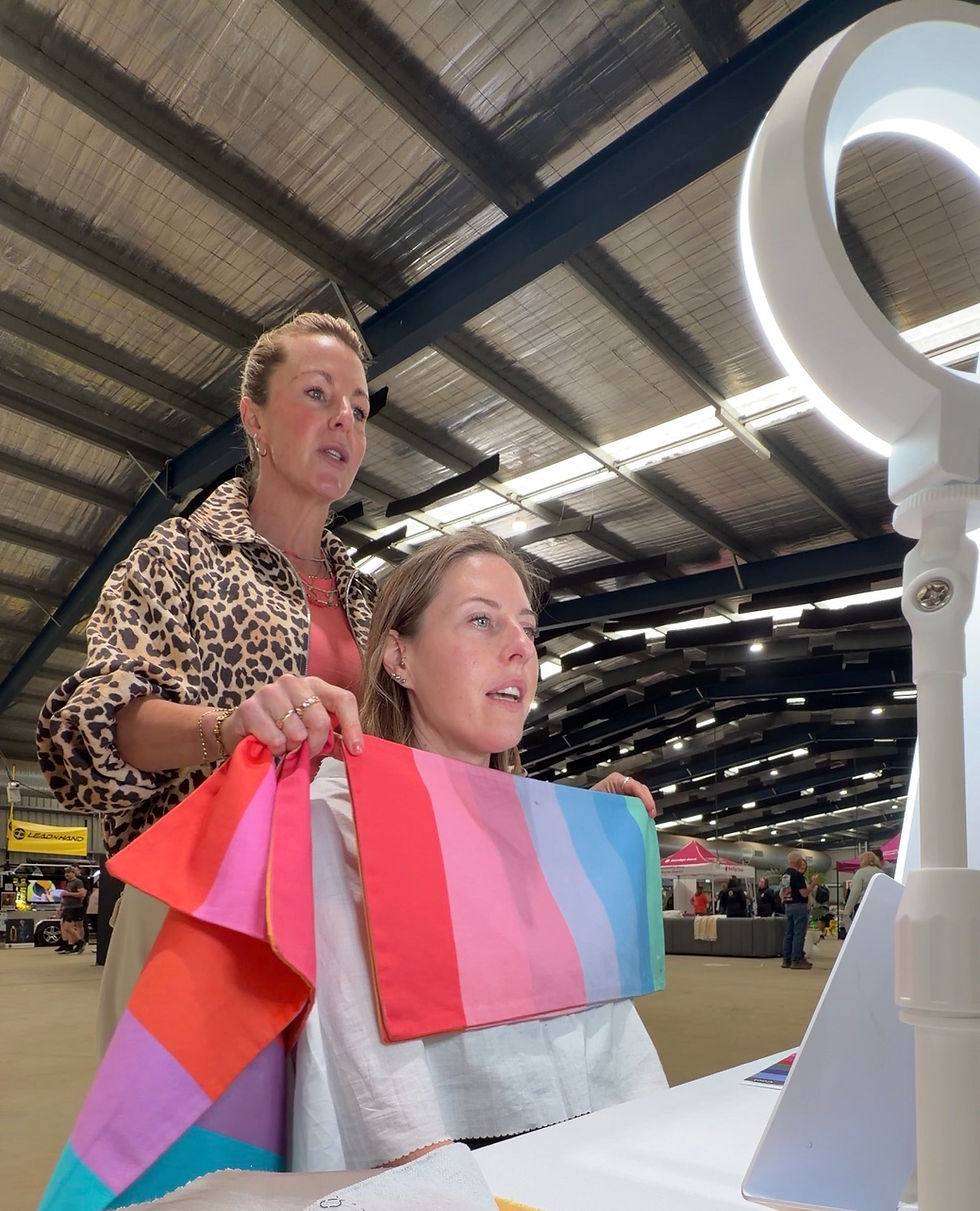
Test Colours Near Your Face
Grab scarves or tops in different shades and hold them up to your face in natural light. Notice which colours make your skin glow and which ones make you look tired or washed out. Remember orange is the only colour that is ALWAYS warm.. it does have different value and intensities.
Consider Your Hair and Eye Colour
These features add layers to your palette. Natural hair colour will = the best contrast levels. remmber 60% of your putfit = the same value as your hair. Your eyes will be a signature colour. If I'm looking at your eyes, I'm not looking at your thighs!
Create a Capsule Palette
Once you know your colours, build a capsule wardrobe with a handful of versatile pieces in your best shades. This makes dressing easier and more enjoyable.
Mix and Match with Confidence
Use your palette as a guide, but don’t be afraid to experiment. Sometimes a pop of an unexpected colour can be a delightful surprise!
Remember, the goal is to feel confident and comfortable. Your palette is a tool, not a rulebook.
Can ChatGPT Do My Colour Analysis?
You might be wondering, “Can ChatGPT do my colour analysis?” It’s a great question! AI tools like ChatGPT can offer guidance, answer questions, and even help you understand the basics of colour theory. But when it comes to personalised colour analysis, there’s a bit more nuance involved.
Colour analysis is a very visual and interactive process. It often requires seeing your skin tone in different lights, comparing colours side-by-side, and sometimes even professional draping with colour swatches. While I can help you understand the concepts and guide you through self-assessment techniques, AI can’t yet replace the hands-on experience of a trained colour consultant.

Why Colour Analysis Matters More Than Ever
You might ask, “Why bother with colour analysis now?” Especially when you’re juggling so many changes in life, from body shifts to evolving routines. Here’s the thing: colour analysis isn’t just about looking good. It’s about feeling right in your skin and clothes.
When your wardrobe reflects your true colours, it sends a message to the world—and to yourself—that you’re confident, authentic, and ready for this new chapter. It simplifies your choices, so you stop wasting money on clothes that don’t feel like you. Plus, it’s a gentle way to embrace change without losing your sense of self.
For women navigating midlife transitions, this clarity can be incredibly empowering. It’s like finding a new best friend in your wardrobe who always has your back. And who doesn’t want that?
Tips to Keep Your Colour Analysis Fresh and Fun
Mastering colour analysis techniques is a journey, not a one-time event. Here are some tips to keep your style vibrant and aligned with who you are:
Revisit Your Palette Seasonally
Our skin tone and preferences can shift with the seasons and life changes. Check in with your palette every now and then to see if it still feels right. Also hair colour!
Play with Accessories
If you’re hesitant to dive into bold colours, start small with scarves, jewellery, or shoes in your best shades.
Mix Neutrals Wisely
Neutrals are the backbone of any wardrobe. Choose neutrals that complement your palette—warm neutrals for warm undertones, cool neutrals for cool undertones.
Trust Your Instincts
If a colour makes you feel good, that’s a sign it belongs in your wardrobe, even if it’s not “technically” in your palette.
Have Fun with Texture and Pattern
Colour is just one part of style. Mixing textures and patterns in your palette colours can add depth and personality to your outfits.
Remember, this is your style story. Write it with colours that make you smile every time you look in the mirror.
Mastering the art of colour analysis techniques is more than just a style upgrade. It’s a way to reconnect with yourself, embrace change, and step into your confidence with clarity and joy. So why not start today? Your wardrobe—and your spirit—will thank you.
So if you are ready to make getting ready easy, shopping an actual fun expereince and purchases you actuallY wear... Colour Analysis is for you!
FE XO


Comments